


Gen Z’s top body care ingredients are niacinamide, hyaluronic acid, ceramides, salicylic acid, glycolic acid and other AHAs, vitamin C, peptides, zinc oxide and titanium dioxide, glycerin and squalane, and shea butter. Each earns its place for a specific reason:
- Niacinamide — reduces redness, tightens pores, and helps with body acne
- Hyaluronic acid — pulls moisture into skin and holds it there
- Ceramides — repair the skin barrier, especially after exfoliation or sun exposure
- Salicylic acid — clears clogged pores and treats body breakouts
- Glycolic acid / AHAs — exfoliate dead skin cells and smooth rough texture
- Vitamin C — brightens uneven tone and protects against oxidative stress
- Peptides — support skin firmness and collagen signaling over time
- Zinc oxide / titanium dioxide — provide broad-spectrum mineral SPF without chemical filters
- Glycerin and squalane — lightweight, fast-absorbing humectant and emollient duo
- Shea butter — rich emollient that softens dry body skin without clogging pores
Safety flags to know before you start: Glycolic acid and other AHAs increase sun sensitivity, so apply SPF the morning after use. Retinoids are not recommended during pregnancy or breastfeeding; consult a clinician before using them. Patch test any new active on a small area of skin before applying it to large body surfaces.
Key Takeaways
Gen Z’s top body care ingredients are backed by both dermatologist consensus and ingredient-literate shopping behavior, making mineral SPF, barrier actives, and exfoliants the core of any evidence-based body routine.
| Point | Details |
|---|---|
| Mineral SPF is the reef-safe standard | Choose zinc oxide or titanium dioxide as the active for broad-spectrum, reef-safe body sun protection. |
| Salicylic acid clears body acne | Use 2% in a body wash or bum cream; avoid during pregnancy. |
| Patch test all new actives | Apply to the inner elbow for 24 hours before using on large body areas. |
| AHAs increase sun sensitivity | Always apply mineral SPF the morning after glycolic acid or lactic acid use. |
| Miamibeachbum offers ready options | Blocked SPF50 and the Bum + Body Cream collection align with Gen Z’s mineral SPF and multitasker priorities. |
Table of Contents
- Why Gen Z shops ingredient-first for body care
- Top body care ingredients Gen Z loves, grouped by what they do
- How to use these ingredients on your body without irritation
- How to pick body care products Gen Z will actually like
- Texture, scent, and body product formats Gen Z prefers
- What dermatology and evidence say about the ingredients Gen Z loves
- Miamibeachbum makes reef-safe SPF and body actives easy to find
- What Gen Z’s ingredient obsession means for body care next
- Sources
Why Gen Z shops ingredient-first for body care
Gen Z is reshaping the U.S. beauty market in measurable ways, with high per-capita beauty spend and a clear preference for products they can decode on the label. This generation does not shop by brand loyalty alone. They shop by active.
Industry research from Cafeteria describes Gen Z’s “ingredient-based language” as a defining behavior: they name products by what is in them, not what they are called. Hyaluronic acid, salicylic acid, glycolic acid, vitamin C, and niacinamide are the actives that come up most often in Gen Z beauty conversations. A product without a clear ingredient story struggles to hold their attention.
TikTok and creator reviews accelerated this shift. A 60-second video breaking down an ingredient’s mechanism reaches more Gen Z shoppers than a traditional ad. That means brands that publish clear, honest ingredient lists and explain what each active does earn trust faster than those that rely on packaging alone.
Sustainability is part of the same equation. Reef-safe formulations, cruelty-free certification, and vegan ingredients are not niche requests for this group. They are filters applied early in the shopping process, especially for SPF and body products used at the beach or in water. The skintellectual trend captures this well: Gen Z shoppers scan for signals like ingredient names, third-party test results, and concentration disclosures rather than taking marketing copy at face value.
Price matters too, but not the way it used to. Consumer-insights data shows Gen Z mixes drugstore staples with prestige picks based on efficacy-to-cost. They will pay more for a specialized body serum with a proven active, and save on a daily cleanser or basic lotion.
Top body care ingredients Gen Z loves, grouped by what they do
These are the actives Gen Z reaches for most, organized by function so you can match ingredient to need.
1. Hyaluronic acid, glycerin, and squalane (hydrators)
Hyaluronic acid draws water from the environment into the skin and holds it there. On body skin, which covers far more surface area than the face, it works best in a lotion or body serum applied to slightly damp skin. Adding hyaluronic acid to your routine is straightforward: apply after showering, before any heavier cream.
Glycerin is a workhorse humectant found in most body lotions. It is inexpensive, well-tolerated, and effective at drawing moisture into the outer skin layer. Squalane is the lightweight emollient counterpart: it seals moisture in without the heaviness of traditional oils, absorbs quickly, and photographs well on skin, which matters to a generation that documents everything.
Usage tip: Use daily. No sun sensitivity concerns with these three.
2. Ceramides and niacinamide (barrier repair)
Ceramides are lipids that make up a large portion of the skin’s natural barrier. When that barrier is compromised by over-exfoliation, sun exposure, or harsh cleansers, ceramide-rich body creams help restore it. They are especially useful after using AHAs or retinoids on body skin.
Niacinamide (vitamin B3) does several things at once: it calms redness, reduces the appearance of pores, helps with post-acne marks, and supports barrier function. For body use, it shows up in bum creams, body lotions, and targeted body serums. It layers well with most other actives, which is part of why Gen Z gravitates toward it.
Usage tip: Both are gentle enough for daily use. Ceramide-rich formulas are especially helpful in winter or after prolonged sun exposure.
3. Salicylic acid (body acne and clogged pores)
Salicylic acid is a BHA (beta hydroxy acid) that penetrates oil-filled pores and dissolves the debris that causes body breakouts. It is the go-to active for bacne, chest acne, and rough bumps on the upper arms. Body washes, bum creams, and targeted spot treatments are the most common formats.
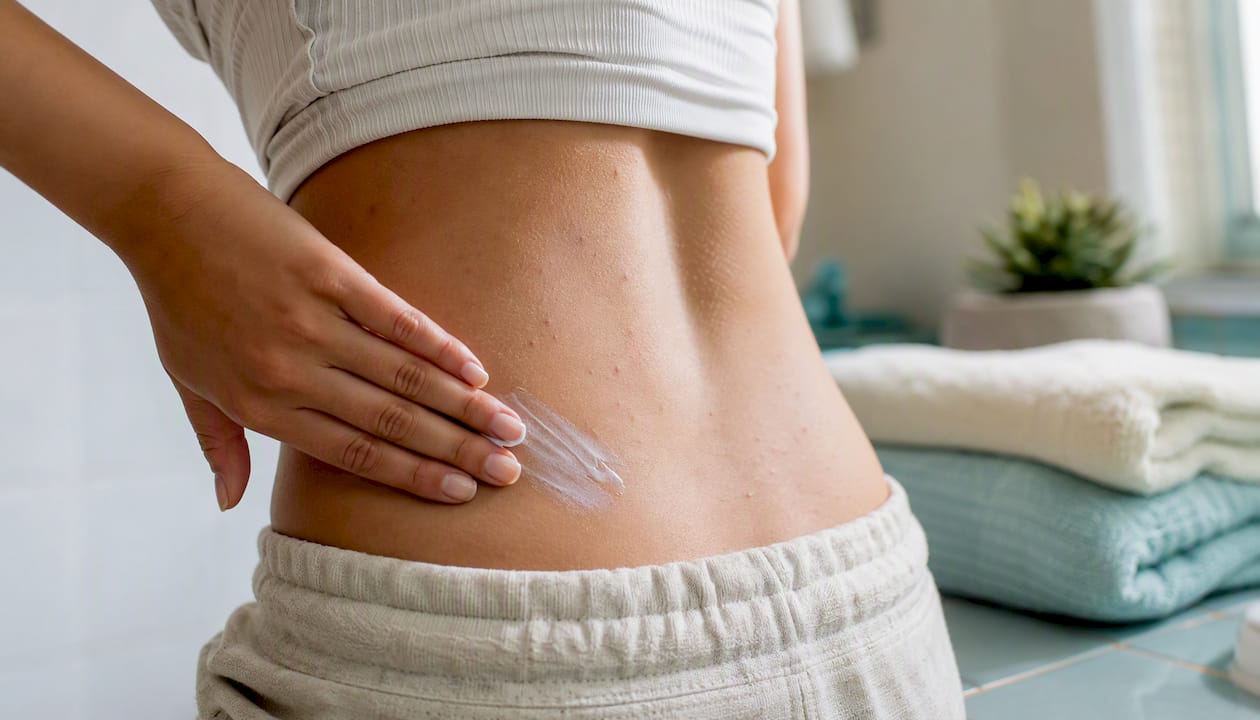
Patch test first, particularly on sensitive areas.
Safety note: Salicylic acid is not recommended during pregnancy. Consult a clinician before use if pregnant or breastfeeding.
4. Glycolic acid and AHAs (exfoliation and texture)
Glycolic acid is the most studied AHA for skin exfoliation. On body skin, it removes the buildup of dead cells that causes rough texture, dullness, and uneven tone. Higher concentrations in body exfoliant scrubs or peels should be used no more than once or twice per week.
Lactic acid is a gentler AHA option, better suited for sensitive skin or first-time acid users. Both increase sun sensitivity, so apply SPF the following morning without exception.
Safety note: Do not combine multiple exfoliating acids in the same routine without guidance. Layering glycolic acid with salicylic acid on body skin can cause irritation.
5. Vitamin C (brightening and antioxidant protection)
Vitamin C in body care targets uneven tone, post-acne marks, and sun-related discoloration. It also provides antioxidant protection against environmental damage. Body serums and lotions with stabilized vitamin C (look for ascorbic acid, sodium ascorbyl phosphate, or ascorbyl glucoside on the label) are the most effective formats.
Vitamin C can oxidize quickly, so packaging matters. Opaque or airless packaging keeps it stable longer. Apply in the morning before SPF for the best antioxidant benefit. Sunscreen prevents dark spots from forming in the first place, so pairing vitamin C with a mineral SPF is one of the more effective combinations for pigment-prone skin.
6. Peptides (firming and skin signaling)
Peptides are short chains of amino acids that signal the skin to produce collagen and support structural repair. In body care, they appear in body serums and premium lotions targeting skin firmness on areas like the arms, thighs, and décolletage. Peptide body lotions work best with consistent use over several weeks.
They are well-tolerated, have no sun sensitivity concerns, and layer cleanly with most other actives. For Gen Z, peptides represent the anti-aging category they are starting to engage with earlier than previous generations did.
7. Zinc oxide and titanium dioxide (mineral sunscreen)
Zinc oxide and titanium dioxide are the two FDA-recognized mineral sunscreen actives. They sit on top of the skin and physically deflect UV rays rather than absorbing them chemically. For body use, they appear in SPF sprays, mineral SPF lotions, and tinted body formulas.
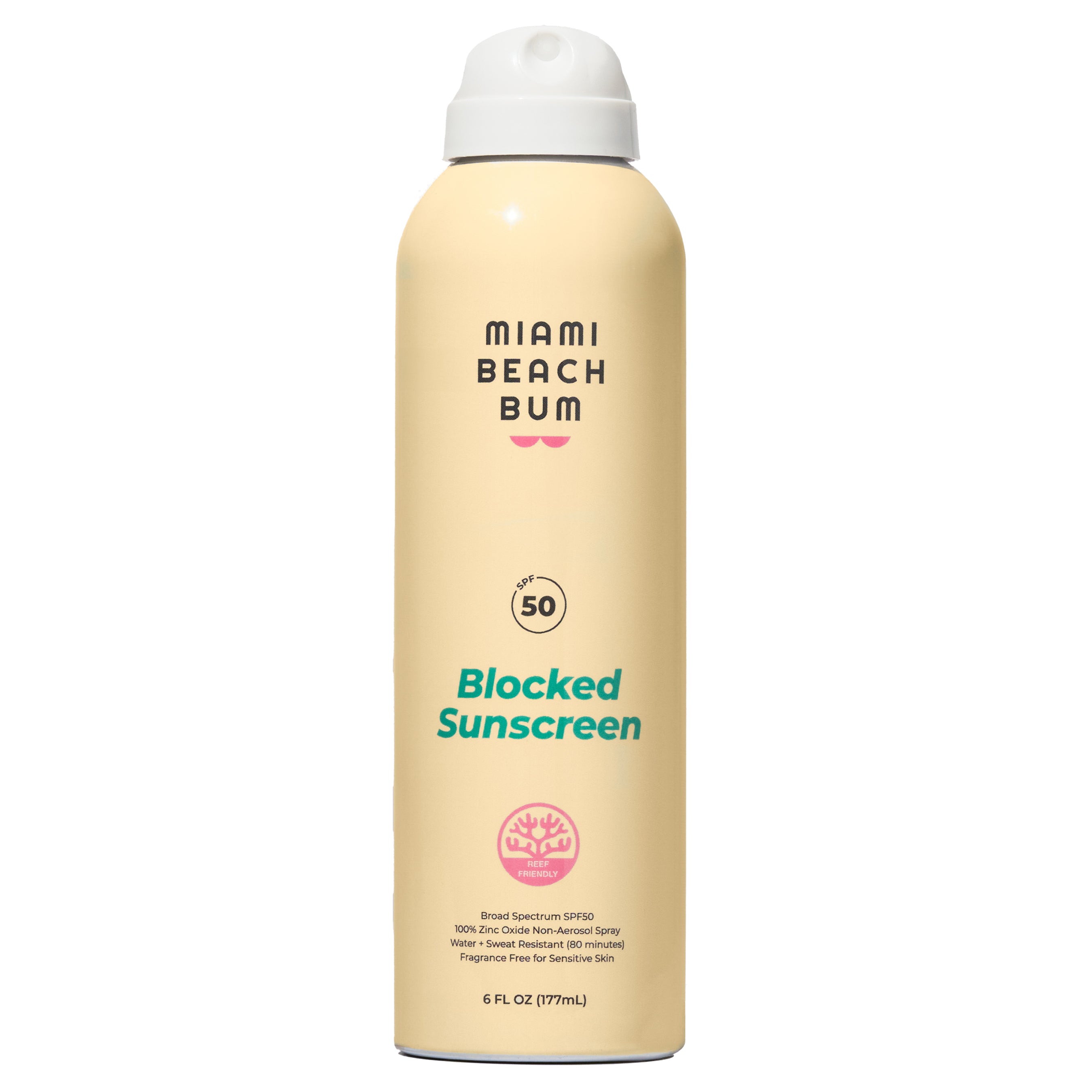
Gen Z’s preference for mineral over chemical filters is tied directly to reef-safe concerns. Chemical filters like oxybenzone and octinoxate have been linked to coral reef damage, and several coastal jurisdictions have restricted their use. Mineral SPF avoids that issue entirely. SPF formulated with additional skin benefits is a growing format that aligns with Gen Z’s multitasker preference.
Safety note: Broad-spectrum SPF 30 or higher is the FDA’s guidance for meaningful sun protection. SPF 50 provides additional coverage for extended outdoor exposure.
8. Shea butter (emollient)
Shea butter is derived from the nut of the African shea tree and has a fatty-acid profile that makes it one of the most effective natural emollients in body care. It softens dry skin, supports barrier function, and absorbs without leaving a heavy residue when used in well-formulated creams. It is a common base ingredient in body creams, bum creams, and after-sun products.
Shea butter is non-comedogenic at typical cosmetic concentrations, vegan, and widely available at both drugstore and prestige price points. For Gen Z, it checks the natural-ingredient box without sacrificing performance.
| Ingredient | Primary benefit | Common body product form | Quick safety note |
|---|---|---|---|
| Hyaluronic acid | Deep hydration | Body lotion, body serum | None; use on damp skin |
| Glycerin | Surface moisture | Most body lotions | None |
| Squalane | Lightweight moisture seal | Body oil, serum | None |
| Ceramides | Barrier repair | Body cream, bum cream | None; ideal post-exfoliation |
| Niacinamide | Pore reduction, redness | Body lotion, bum cream | None |
| Salicylic acid | Body acne, clogged pores | Body wash, spot treatment | Avoid in pregnancy |
| Glycolic acid | Exfoliation, texture | Body lotion, exfoliant | Increases sun sensitivity |
| Vitamin C | Brightening, antioxidant | Body serum, lotion | Use with SPF in AM |
| Peptides | Firming, collagen support | Body serum, lotion | None |
| Zinc oxide / titanium dioxide | Broad-spectrum SPF | SPF spray, mineral lotion | Reapply every 2 hours |
| Shea butter | Softening, emollient | Body cream, after-sun | None |
How to use these ingredients on your body without irritation
Follow this order when introducing new actives to your body care routine.
- Patch test first. Apply a small amount to the inside of your elbow or behind your knee. Wait 24 hours before applying to larger areas.
- Start at low frequency. Use a new active two to three times per week before moving to daily use. Body skin is more resilient than facial skin but covers more surface area, so reactions can spread quickly.
- Introduce one active at a time. If you add salicylic acid and glycolic acid in the same week and irritation appears, you will not know which caused it.
- Apply SPF the morning after any acid use. AHAs and BHAs increase photosensitivity. This is not optional.
- Step back if irritation appears. Redness, peeling, or stinging that persists beyond 30 minutes after application is a signal to reduce frequency or concentration, not push through.
Do not mix: Multiple exfoliating acids in the same routine (for example, glycolic acid body lotion followed by a salicylic acid body wash in the same session) can cause significant irritation on body skin. Acids plus retinoids on the same body area, without dermatologist guidance, is another combination to avoid.
Pregnancy and retinoids: Prescription retinoids are not safe during pregnancy or breastfeeding. Over-the-counter retinol at low concentrations is a gray area; the safest approach is to consult a clinician and pause use until after breastfeeding ends.
Adapting facial rules to body skin: Facial actives are often formulated at higher concentrations than body products. When using a facial-grade AHA or retinoid on body skin, start at the lower end of the concentration range and test on a less visible area first, such as the inner thigh rather than the chest.
Pro Tip: When using a glycolic acid body lotion, apply it at night and follow the next morning with a mineral SPF spray rather than a chemical sunscreen. The combination avoids adding another potential irritant to freshly exfoliated skin and keeps the reef-safe profile intact.
How to pick body care products Gen Z will actually like
Shopping for ingredient-forward body care comes down to reading the label correctly and knowing which red flags to skip.
What to look for:
- The active ingredient name listed near the top of the ingredient list (higher placement generally means higher concentration)
- “Zinc oxide” or “titanium dioxide” as the active ingredient in any SPF product, not just “mineral” as a marketing claim
- Ceramides listed by name (ceramide NP, ceramide AP, ceramide EOP are the most studied)
- Concentration disclosures where available, or third-party testing results published on the brand’s site
- Cruelty-free and vegan certifications if those values matter to you, verified by a named certifying body
Red flags:
- “Clean” or “natural” on the label with no ingredient list to back it up
- Heavy synthetic fragrance high on the ingredient list in a product meant for daily body use or sensitive areas
- Vague acid claims (“fruit acid complex”) with no specific AHA or BHA named
- SPF products that list only chemical filters but market themselves as reef-safe
Buyer questions worth asking: Does the brand publish third-party testing? Is the active present at a concentration that research supports? Is the packaging designed to keep actives like vitamin C stable?
Price and value: Gen Z tends to spend more on specialized body serums and targeted treatments (body acne creams, peptide lotions) and save on daily cleansers and basic moisturizers. Drugstore ceramide body lotions and salicylic acid body washes deliver solid efficacy at low cost. A well-formulated daily moisturizer does not need to be expensive to contain the right actives.
Texture, scent, and body product formats Gen Z prefers
Gen Z’s body care preferences are not just about what is in the formula. How it feels, how it photographs, and how many jobs it does at once all factor into whether a product gets repurchased.
Texture: Fast-absorbing, non-greasy formulas dominate. Gel creams and lightweight lotions that sink in within seconds are preferred over heavy butters that leave a film. This is partly practical (no transfer onto clothes) and partly social (skin that looks fresh and dewy on camera). Industry forecasts for body care point to growing demand for premium sensorial textures that support daily use and social sharing.
Scent: Subtle, modern fragrance profiles that do not compete with a separate perfume are the preference. Unscented options are also popular, particularly for products used on acne-prone areas. Heavy, synthetic floral or musky scents in body creams are a common reason Gen Z leaves a product behind after one use.
Format trends Gen Z gravitates toward:
- Bum and body creams that address razor burn, body acne, and dryness in one product
- Body serums with higher active concentrations than standard lotions, applied before a moisturizer
- Mineral SPF sprays for quick, even application over large body areas without white cast
- Whole-body deodorant creams that combine skin-friendly ingredients with odor control, a rising format among Gen Z and Millennials
Packaging plays a role too. Airless pumps, refillable formats, and minimal plastic align with sustainability values and keep actives like vitamin C stable longer. A product that looks good on a shelf or in a flat lay gets shared more, which feeds back into discovery.
The skinification of body care is the broader trend behind all of this: Gen Z now expects facial-grade actives in body products, and the formats are catching up. Body serums, SPF with added skin benefits, and multi-tasking bum creams are the direct result. Hair routines are following the same pattern, with ingredient-forward scalp and strand treatments gaining the same scrutiny as face and body products.
What dermatology and evidence say about the ingredients Gen Z loves
A survey of 80 U.S. dermatologists produced a vetted list of 23 topical ingredients with strong expert support. Mineral sunscreen (zinc oxide and titanium dioxide) and retinoids ranked among the top-recommended actives across multiple skin concerns. That list aligns closely with what Gen Z already reaches for, which is not a coincidence: ingredient literacy and dermatologist consensus are converging on the same actives.
| Ingredient | Dermatology-supported indication | Evidence strength |
|---|---|---|
| Zinc oxide / titanium dioxide | Broad-spectrum UV protection | Strong; FDA-recognized actives |
| Retinoids | Acne, aging, pigmentation | Strong; decades of clinical data |
| Salicylic acid | Acne, clogged pores | Strong; well-studied BHA |
| Ceramides | Barrier repair, dryness | Strong; supported by multiple trials |
| Hyaluronic acid | Hydration, plumping | Strong; widely studied humectant |
| Niacinamide | Redness, pores, post-acne marks | Moderate to strong; growing evidence base |
| Glycolic acid / AHAs | Exfoliation, texture, pigmentation | Strong; long clinical history |
| Vitamin C | Brightening, antioxidant | Moderate; formulation stability matters |
| Peptides | Firming, collagen support | Moderate; promising but fewer large trials |
The NM.org dermatologist consensus identified 23 expert-supported topical ingredients, with mineral sunscreen and retinoids among the highest-rated for multiple concerns — a list that maps directly onto the actives Gen Z already names most often.
On sunscreen specifically: The FDA’s guidance for meaningful sun protection is broad-spectrum SPF 30 or higher, reapplied every two hours during outdoor exposure. Zinc oxide and titanium dioxide are the only two sunscreen actives the FDA currently classifies as generally recognized as safe and effective (GRASE) for use in sunscreen. That regulatory clarity is part of why mineral SPF has become the default recommendation for body sun care, particularly for reef-safe formulations.
For body care routines that include multiple actives, the after-sun care ingredient list is a practical reference for calming and repairing skin after UV exposure, especially when AHAs or retinoids are in the routine.
Miamibeachbum makes reef-safe SPF and body actives easy to find
Miamibeachbum builds body care around the ingredients Gen Z already trusts: mineral SPF, multitasking actives, and transparent formulations made with botanical and marine ingredients. Blocked SPF50 is a reef-safe mineral sunscreen spray with zinc oxide as the active, broad-spectrum SPF 50 coverage, and a lightweight formula suited for full-body use. It is a direct fit for beachgoers, acne-prone body skin, and anyone who wants mineral protection without a white cast or chemical filters.
The Bum + Body Cream collection addresses razor burn, body breakouts, and dryness in one product, with an ingredient list Gen Z can actually read and verify. Not sure where to start? The Bodycare Discovery Set lets you trial the full range before committing to full sizes.
What Gen Z’s ingredient obsession means for body care next
Gen Z’s demand for ingredient transparency is not a phase. It is a permanent shift in how body care gets evaluated, purchased, and discussed. The actives this generation names most often, niacinamide, hyaluronic acid, ceramides, and mineral SPF, are the same ones dermatologists recommend. That alignment is meaningful: it suggests ingredient literacy is producing better purchasing decisions, not just louder opinions.
The next wave will push further into body-specific formulations. Facial-grade actives in body serums, reef-safe SPF as a baseline rather than a premium feature, and multitasking formats that replace three products with one are already gaining ground. Brands that publish clear evidence, list concentrations, and earn third-party certifications will hold Gen Z’s attention. Those that rely on vague “clean” claims will not.
The practical recommendation: prioritize reef-safe mineral SPF, look for hero actives listed by name near the top of the ingredient list, and choose formats that fit your actual daily routine rather than an aspirational one.
Sources
- Top skin care ingredients recommended by dermatologists
- Gen Z and the beauty industry in the United States
- The Beauty Contract: What’s Fueling the Top 10 Gen Z Brands and Products?
- Prioritizing performance: Gen Z consumers cite CeraVe, e.l.f., Rare Beauty as favorites (Cafeteria report)
- The rise of the skintellectual: why claims matter more than they used to
This article is general information, not a substitute for advice from a qualified doctor. Consult a qualified healthcare professional about your own circumstances before acting on anything here.